News
The Danger of Prejudices Against Social Media Platforms
 Dennis
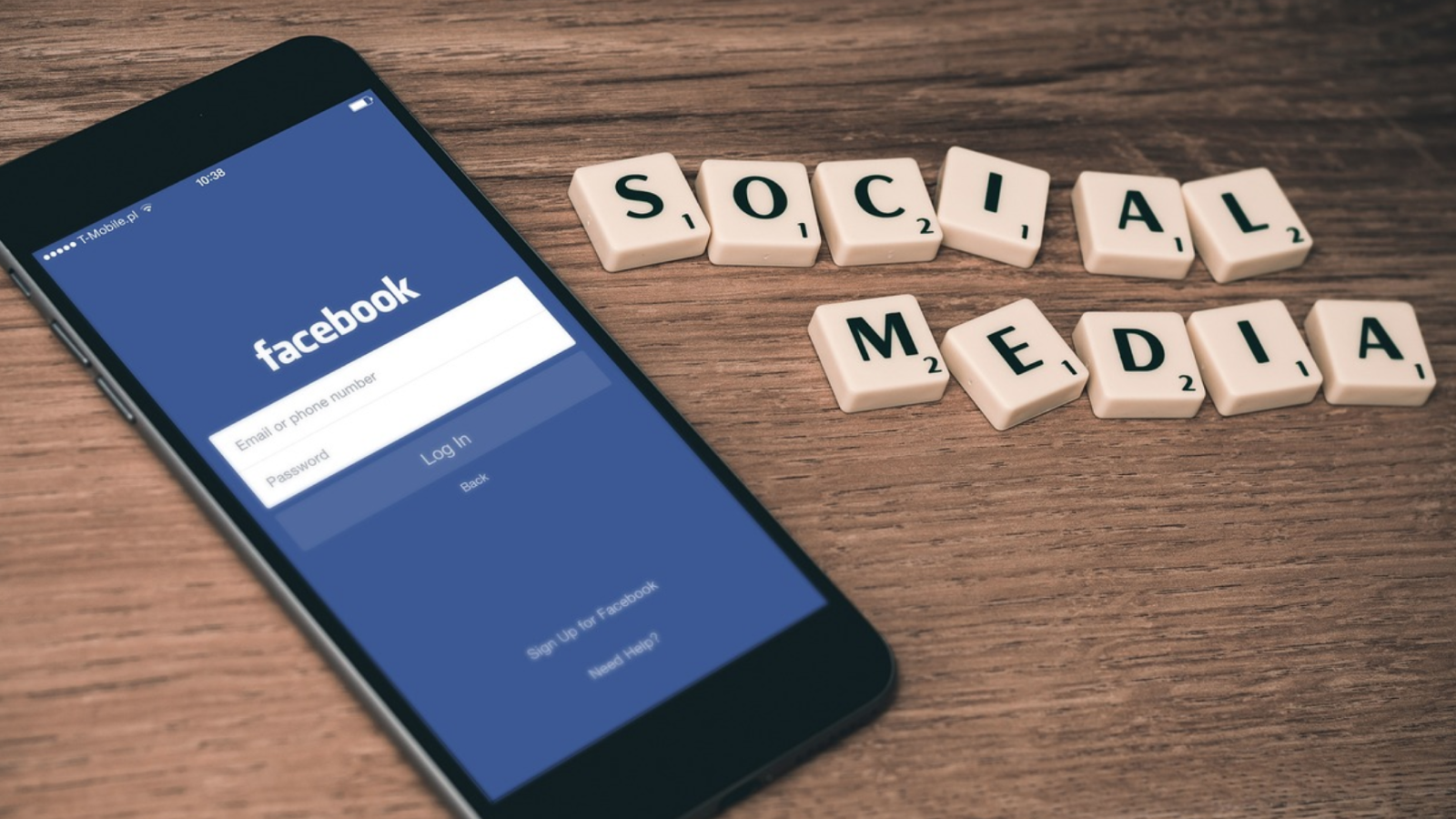 Social media platforms have built a reputation over the years. Here is what is true about common prejudices, and why adapting matters so you do not miss real opportunities.
Quick Tips 🚀
- Facebook has been “dead” for years and still is not
- LinkedIn works even when you are not purely B2B
- TikTok is growing well beyond teenagers
Table of Contents
- Why prejudices about social media can be dangerous
- How social media platforms evolve
- The most common prejudices about social media platforms
- What is behind these prejudices?
- How marketing leaders can debunk the myths
- Recommendations for companies and agencies
- Conclusion: use opportunities instead of keeping prejudices
Why prejudices about social media can be dangerous
Many companies still choose channels based on half-knowledge. “TikTok is only for kids”, “LinkedIn is only B2B”, “Facebook is dead”: familiar lines, but not a strategy. That is exactly where social media prejudices become risky.Stereotypes and social media myths form quickly and stick hard. Holding on to them cuts off reach, talent and customers before you even test. For SMEs that is especially costly, because resources are limited and wrong calls linger.This article covers the most common platform prejudices, what is wrong about them and how data plus testing get you back to action. The goal is not to be everywhere, but to evaluate opportunities consciously instead of missing them out of habit.
How social media platforms evolve
Social media platforms change faster than many roadmaps. Audiences move, formats shift, algorithms suddenly reward different signals. What was true three years ago can already be a misread today.For marketers that means: platform strategy must not rest on old assumptions. Social media trends and platform development need to be checked against real audiences and goals, not against casual opinions.If you choose channels systematically, our guide to the right social media platforms helps. After that, tests and insights matter more than a platform’s reputation.
The most common prejudices about social media platforms
These social media myths show up especially often in workshops and client talks. First the claim, then the reality for companies and agencies.
Myth vs. reality at a glance:
- “TikTok is only for teens”: strong use also among 25–44; relevant for employer branding, storytelling and product staging
- “Facebook is dead”: still reach, especially 30–60; strong for ads, communities and local events
- “Instagram only for fashion & lifestyle”: B2B, employer branding and education work too, especially with Reels
- “LinkedIn is only for B2B”: recruiting, thought leadership and employer branding also matter for B2C
- “X/Twitter only politics & journalism”: realtime communication, crisis PR and niche communities stay valuable
What is behind these prejudices?
Many misunderstandings come from outdated data, media framing and personal preference. If you never use TikTok privately, you underestimate it more easily. If Facebook still means the 2016 feed, you miss today’s communities and ads.The problem: decision-makers often rely on hearsay instead of insights. Budgets get allocated without checking social media facts and current audiences. Strategy turns into self-confirmation.You counter that with clean measurement. How to bundle metrics usefully is covered in our article on social media insights.
Typical sources of false assumptions:
- Outdated usage figures and anecdotes
- Media amplification of single scandals or trends
- Private habits treated as business truth
- Missing own tests and insights
How marketing leaders can debunk the myths
The strongest antidote to prejudice is your own data. Analytics, A/B tests and external studies show faster than debates whether a platform fits your offer and audience.Equally important: Experiment yourself. A pilot with a clear hypothesis beats gut feeling. Also watch competitors and peers: which formats really work for similar target audiences?That is how opinion becomes a social media strategy. Social media data and practical marketing tips then replace clinging to clichés.
How to debunk myths in practice:
- Write a hypothesis and start a small pilot
- Read insights and external studies side by side
- Watch competitors and peer accounts
- Share results internally with clear KPIs
Recommendations for companies and agencies
Align platform choice with audience, goals and content formats, not with an app’s image. Plan resources realistically: content, paid ads and Community Management need capacity, otherwise every new channel becomes a nuisance.Internally, stakeholder work matters. Bring decision-makers along with short tests, benchmarks and clear KPIs instead of arguing myths. Social media best practice here means creating facts, not only debating.Deepnetic Social helps you run multi-channel communication calmly: planning, publishing and reporting in one place. That way you can leave prejudices behind and check opportunities where they matter for your business.
Concrete next steps:
- Define audience, goal and format per platform
- Reserve capacity for content, ads and community
- Convince stakeholders with pilot results, not opinions
- Plan and evaluate channels centrally instead of in isolation
Conclusion: use opportunities instead of keeping prejudices
Anyone who drops social media prejudices often finds new reach and impact potential. Not every platform must be used, but every relevant platform should be judged fairly. Social media success comes from clarity, not from old labels.Evaluate the channels with an open mindset, test deliberately and decide on data. If you want to use the opportunities of multi-channel communication, Deepnetic Social helps you run platforms in parallel efficiently without getting lost in silos.
Seize opportunitiesUse Deepnetic Social to leave platform prejudices behind and make the most of multi-channel communication.
Summary
- Facebook has been “dead” for years and still is not
- LinkedIn works even when you are not purely B2B
- TikTok is growing well beyond teenagers