Content
Step by Step to Quality Content for Every Platform
 Jan
Jan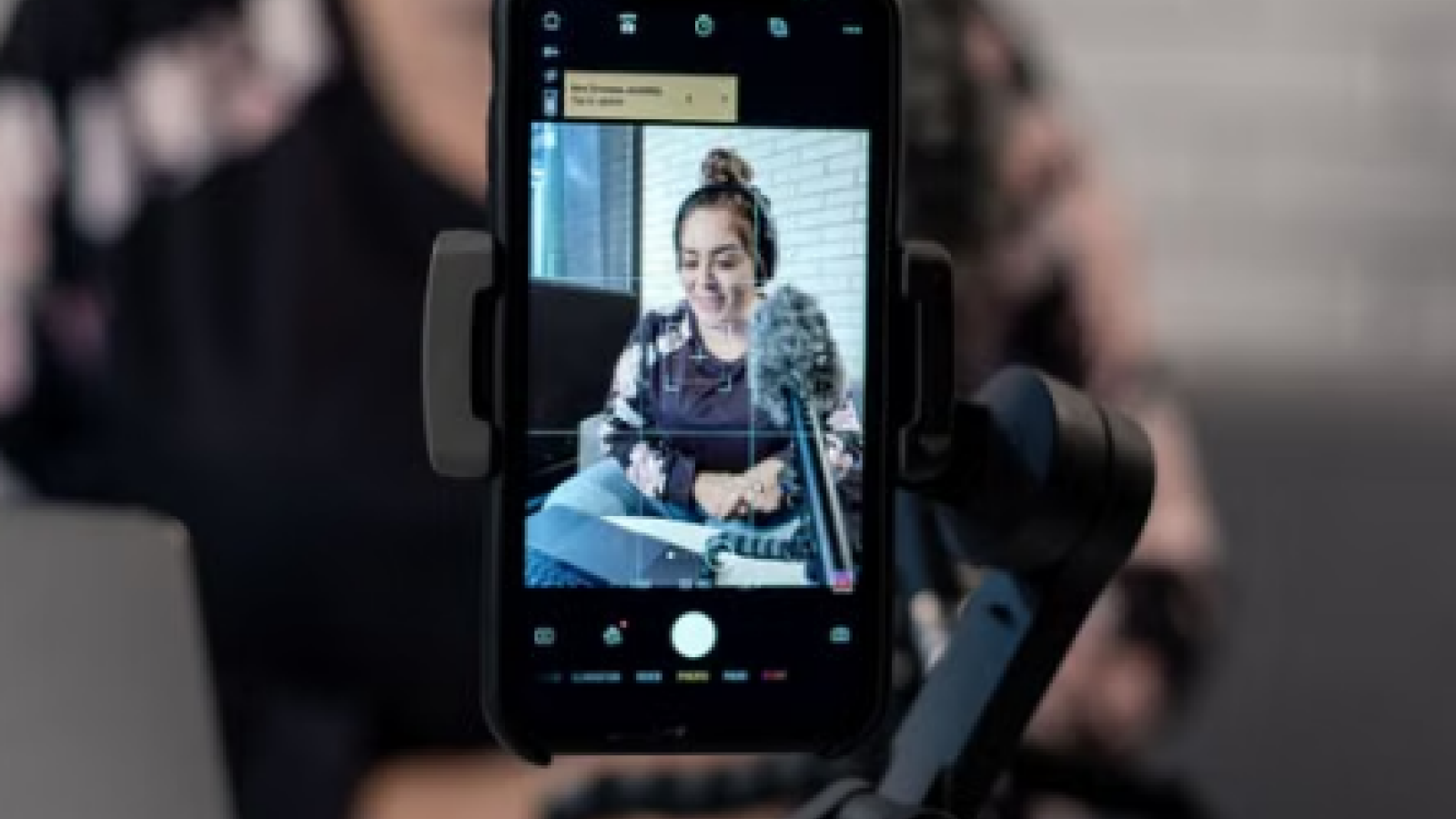 The bar for good social media content keeps rising. That includes tailoring content to each platform rather than blindly mirroring it across channels. Here is how to do it quickly and efficiently.
Quick Tips 🚀
- Develop content from a core idea (e.g. creative and caption)
- Customize content per platform during planning in one tool
- Create creatives in Canva and import them seamlessly into Deepnetic Social
Table of Contents
- Why platform-native social media content is recommended today
- One piece of content, many channels: where copy-paste fails
- Benchmark and analysis: reviewing your content systematically
- How can you create content for all platforms at once?
- Which tools help with social media content optimization?
- Customizing without producing everything from scratch
- Practical examples and typical mistakes
- Conclusion: faster quality content with strategy and tools
Why platform-native social media content is recommended today
Social media content is no longer a side note in the marketing mix. It is often the first touchpoint with your brand. If you merely show up on Instagram, LinkedIn, TikTok, Facebook, or X, you lose visibility. If you appear professionally, you build trust before anyone sees your website or offer.Expectations are rising: high-quality visuals, appropriate text lengths, clear messages, and a presence that fits your target audience. A post that works confidently on LinkedIn may start too slowly on TikTok or feel too text-heavy in the Instagram feed. Social media marketing today no longer means "post once and done." It means adapting content with intent.Many SMEs know the problem: effort grows, channels multiply, and quality fluctuates. This is exactly where clear content optimization helps. Not as an extra layer, but as a fixed step in the workflow. If you choose your social media platforms strategically and publish platform-native content, you get more from the same idea.
One piece of content, many channels: where copy-paste fails
The illusion of one post for all networks persists. Technically, much is possible. Qualitatively, often not. Image sizes, video formats, and text lengths differ significantly: Instagram Stories and Reels run in portrait, LinkedIn carousels benefit from square or portrait slides, and YouTube Shorts and TikTok expect fast hooks in the first seconds.Tone varies too. LinkedIn tolerates expertise and context, TikTok needs pace and directness, and Facebook often reaches local audiences through community and familiarity. Hashtags, emojis, and posting frequency make sense differently on each platform. If you mirror everything 1:1, you risk cropped images, text that is too long, or creatives that look stretched.Comparing content formats quickly shows why content adaptation is mandatory today. Feed, Stories, carousels, and short videos each follow their own logic. Our guides to Instagram sizes, LinkedIn formats, and TikTok dimensions help you set the technical foundation cleanly before fine-tuning content.
Typical differences in everyday work:
- Instagram: Reels and Stories in 9:16, feed often 3:4 or 4:5
- LinkedIn: longer text, PDF carousels, and B2B tone
- TikTok: short clips, subtitles, and a fast opening
- Facebook: community posts, events, and mixed audiences
- X: short updates, links, and real-time context
Benchmark and analysis: reviewing your content systematically
Before you optimize, you need an honest picture. A content benchmark shows which posts drive the most reach, saves, or clicks and which ones fall flat. That reveals strengths in visuals, topics, or formats and weaknesses in text length, hook, or timing.Use existing data from social media insights and compare channels with each other. A strong LinkedIn post is not automatically a good TikTok clip. Central reporting makes patterns visible that are easy to miss in individual apps.A content preview before publishing is also worthwhile. That way you see how text and creative work in each feed before the post goes live. In Deepnetic Social, you can prepare and review posts per channel without jumping between five apps.
Content check before publish:
- Does the aspect ratio fit and is nothing cropped?
- Is the caption length sensible for the channel?
- Are video subtitles readable even without sound?
- Do hashtags, links, and call-to-action match the goal?
- Does the tone fit the audience on this network?
How can you create content for all platforms at once?
The question sounds like multitasking. The answer is a clear workflow. Start with a core idea: what do you want to communicate, what campaign goal sits behind it, and which brand guidelines apply? From that comes master content, for example a longer video, an infographic, or an in-depth expert text.In the second step, you break the master down into platform formats: a short video for TikTok, a Reel for Instagram, a carousel for LinkedIn, a teaser for Facebook. Same message, different packaging. That creates content for multiple platforms at once without starting from zero each time.Then you optimize per channel: shorten or expand text, adjust calls-to-action, and set emojis and hashtags with intent. Tips on social media formats show why mobile optimization and safe zones matter across all channels. Plan everything in one step and customize per platform in Deepnetic Social instead of maintaining separate drafts in spreadsheets and chats.
Step by step in the workflow:
- Define core idea and goal (story, campaign, brand guidelines)
- Produce master content (video, graphic, text)
- Break down formats (feed, Story, carousel, Reel)
- Fine-tune text and CTAs per channel
- Review preview and publish or schedule
Which tools help with social media content optimization?
Good content needs good tools, but not ten parallel solutions. For creatives, Canva, Adobe Express, or Figma work well. If you create designs in Canva, you can import them directly into Deepnetic Social via the Canva integration and add them to your editorial plan without export and re-upload.Central social media tools are essential for planning and preview. Instead of distributing content in Hootsuite, Later, or Buffer and editing in other apps in parallel, you bundle creation, approval, and publishing in one place. AI-assisted helpers for copy or image adjustment can save time, but they do not replace strategic context.Efficiency comes from batch production, reusable templates, and clear scheduling automation. That turns content planning into a repeatable content workflow that remains manageable even with a small team.
Best practices for more speed:
- Use templates for captions and slide structures
- Produce creatives in series, not one by one
- Customize channels in one tool per platform
- Control approvals and dates centrally
- Follow up on results regularly in insights
Customizing without producing everything from scratch
Content customization sounds like double work. In practice, small adjustments are often enough. A video for TikTok starts with a fast hook and subtitles; the LinkedIn version explains context in the first lines and ends with an expert question for the community. Same message, different approach.Copy-paste strategies fail because users open each network with its own expectations. If you post a Reel-style opening on LinkedIn or a press release on TikTok, you signal that no one thought it through. Platform-native content means respecting the context in which your post appears.In practice, a master creative plus variant set helps: a 16:9 interview as raw material, from which you create a 9:16 clip, three Story slides, and a LinkedIn carousel with key takeaways. Deepnetic Social makes such variants visible in the planning process so you can adjust quickly instead of exporting everything again.
Practical examples and typical mistakes
Imagine a brand that records a webinar. From the material comes a LinkedIn carousel with five key takeaways, an Instagram Reel with the strongest statement, and a blog article for the website. Brand recognition stays intact, and reach grows because each channel uses the format that works there.Successful content strategies follow this pattern: one source, multiple outputs. Everyday content examples show that quality does not depend on production volume but on consistent execution. Deepnetic Social helps with customizing text per platform, but also with customizing photos to platform-appropriate dimensions. Ideal support in creation for text, photos, and visible areas.Typical mistakes remain avoidable: cropped logos in Stories, walls of text under Reels, missing subtitles, wrong image sizes, or a call-to-action that makes no sense on the channel. A short content check before publish prevents most of them.
These points cost reach:
- Publishing visuals in the wrong aspect ratio
- Posting text that is too long and unstructured
- Publishing videos without subtitles
- Blindly copying hashtags from one channel
- Failing to define a clear next step for the audience
Conclusion: faster quality content with strategy and tools
Good social media content does not come from more pressure but from a clear process: core idea, master format, channel variants, preview, and publishing. That keeps quality plannable even when you manage several networks in parallel.The key learnings in brief: blind mirroring hurts, targeted adaptation pays off. Benchmarks and insights show where to sharpen. Tools bundle the workflow when they combine planning, customization, and publishing.Start with one concrete piece of content from your everyday work and optimize it step by step for two or three channels. Use Deepnetic Social to plan your social media content centrally and then optimize it again for each channel. That turns content marketing in SME everyday life into something that works measurably and is easy for the team to implement.
Ensure qualityUse Deepnetic Social to plan your social media content centrally and then optimize it again for each channel.
Summary
- Develop content from a core idea (e.g. creative and caption)
- Customize content per platform during planning in one tool
- Create creatives in Canva and import them seamlessly into Deepnetic Social